The Rhythm of High Alpine Passes
Published October 14, 2024 • 8 Min Read • By Editorial Board
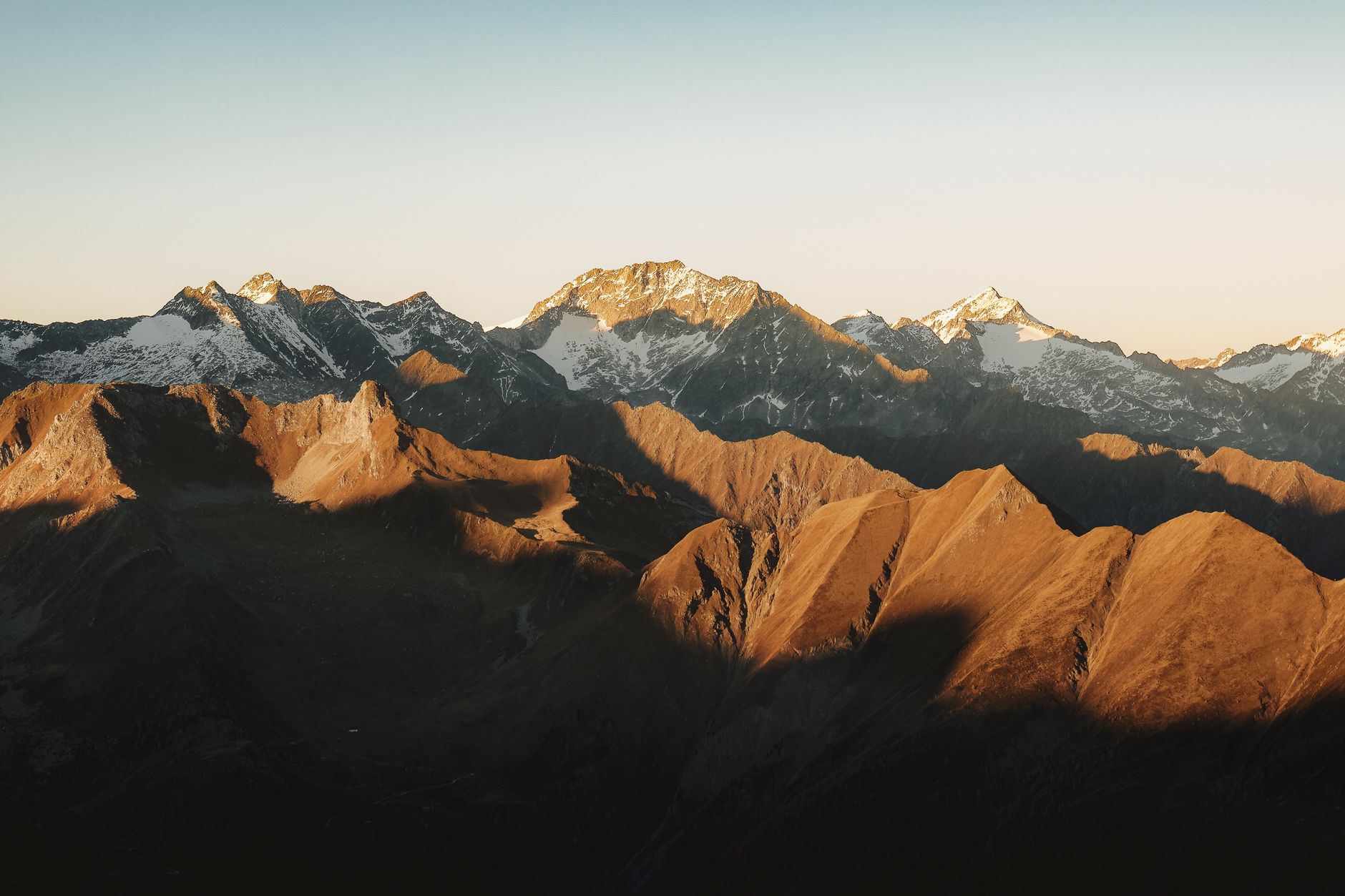
"High in the pass, wind ceases to be weather and transforms into a constant companion, sculpting the stunted pine trees and polishing the limestone ledges."
1. Altitude & Stillness
Above eighteen hundred meters, the world narrows to essential textures: grey stone, dry lichen, and the piercing scent of mountain resin. When ascending the trail from the Val di Funes, conventional urban rhythms unravel within hours. Travellers who choose to walk these routes rather than speed across paved passes discover that solitude here is not vacant, but deeply populated by elemental shifts.
2. Vernacular Timber Architecture
For centuries, the inhabitants of the Ladin-speaking valleys have utilized larch timber—harvested strictly during waning winter moons—to construct barns and refuges capable of withstanding heavy snowloads. The joinery is accomplished without metallic nails, allowing the structures to expand and breathe with seasonal humidity.
The mountain barn is not an intrusion upon the ridge; it is merely petrified forest returning gradually to soil.
3. Ancient Pathways
Packhorse corridors that once traded rye, copper, and cured goat cheese now offer unhurried wanderers an alternative geography. Walking five miles in high terrain demands deliberate cadence. The lungs adapt, conversation softens, and observations sharpen toward small blossoms clinging to fissure walls.
4. Cultural Preservation
Today, sustainable dairy cooperatives maintain high alpine pastures through rotational summer grazing. By choosing family-run refuges, travelers directly finance the preservation of these ecologically delicate slopes against severe commercial overdevelopment.
Curating Your Alpine Journey
Need bespoke route recommendations across northern Italy?